
Marlinks Participated in the GO-SENS Project.

Marlinks is involved in the GO-SENS project, an initiative focused on developing next-generation solutions for distributed optical fiber sensing (DOFS) to monitor high-voltage power cables in real-time. The project brings together seven partners to push the boundaries of long-range, strain, and temperature monitoring using Brillouin-based DOFS technology.

GO-SENS aims to elevate DOFS technology to the next level, providing valuable insights for various field applications such as ensuring the structural health of gas pipelines and assessing the operating conditions of high-voltage transmission lines. These applications share a common requirement for extensive monitoring distances, which the project addresses by advancing long-distance sensing capabilities and temperature strain sensing solutions.

The primary objectives of the GO-SENS project include:

  • Long-Distance Sensing: Developing long-range distributed optical-sensing solutions to meet the needs of monitoring international subsea high-voltage power cables.
  • Temperature and Strain Sensing: Creating optical sensing solutions that can distinguish between temperature hotspots and local mechanical strain.

This ambitious project (0224-00074A) is funded by Innovation Fund Denmark’s Grand Solution Program and is a collaborative effort involving DFM – National Metrology Institute of Denmark, DTU – Department of Photonics Engineering, Technical University of Denmark, Maturix, Marlinks, LIOS Technology, Energinet, and Danish Optical Fiber Innovation.

The initiative aligns with Denmark’s Energy Strategy 2050, which aims for independence from fossil fuels and a transition to green energy, with wind power playing a pivotal role. Reliable and high-capacity long-distance energy grids are essential for balancing energy supply from remote sources like the North Sea wind farms. Current monitoring systems are limited to 70 km, insufficient for most overseas cables and feeder cables to planned Sea Wind Power Hub islands. The GO-SENS project addresses this by aiming to extend the sensing range of DOFS technology to approximately 200 km and improve differentiation between temperature and strain effects.

In summary, the GO-SENS project aims to:

  • Increase single-side ranging capability to 200 km.
  • Directly discriminate between temperature and strain.
  • Benchmark the developed sensor solution against existing commercial systems.

Marlinks is pleased to contribute to this groundbreaking project, which promises to enhance the reliability and efficiency of subsea power cable monitoring, crucial for the sustainable energy infrastructure of the future.

Want to learn more?

You can reach us by sending a message to sales@marlinks.com and we’ll be happy to schedule a conversation to discuss.

Highlighted news

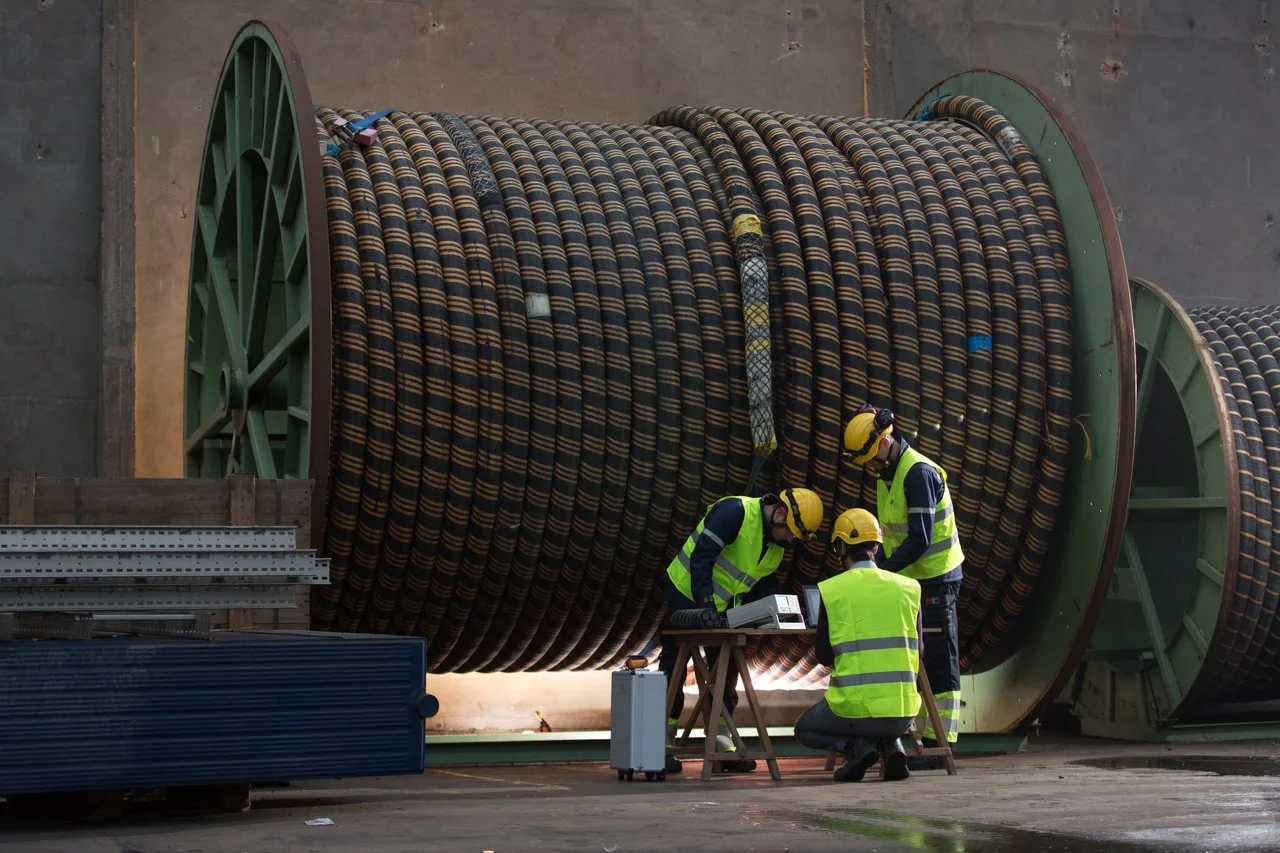
three people monitor subsea power cable on big reel with fiber optic technology

The Crucial Role of Marlinks’ Thermal Models for Subsea Power Cables

In the offshore wind energy sector, subsea power cables play a crucial role in efficiently transmitting electricity from offshore turbines to the shore. At Marlinks, ...
Read More
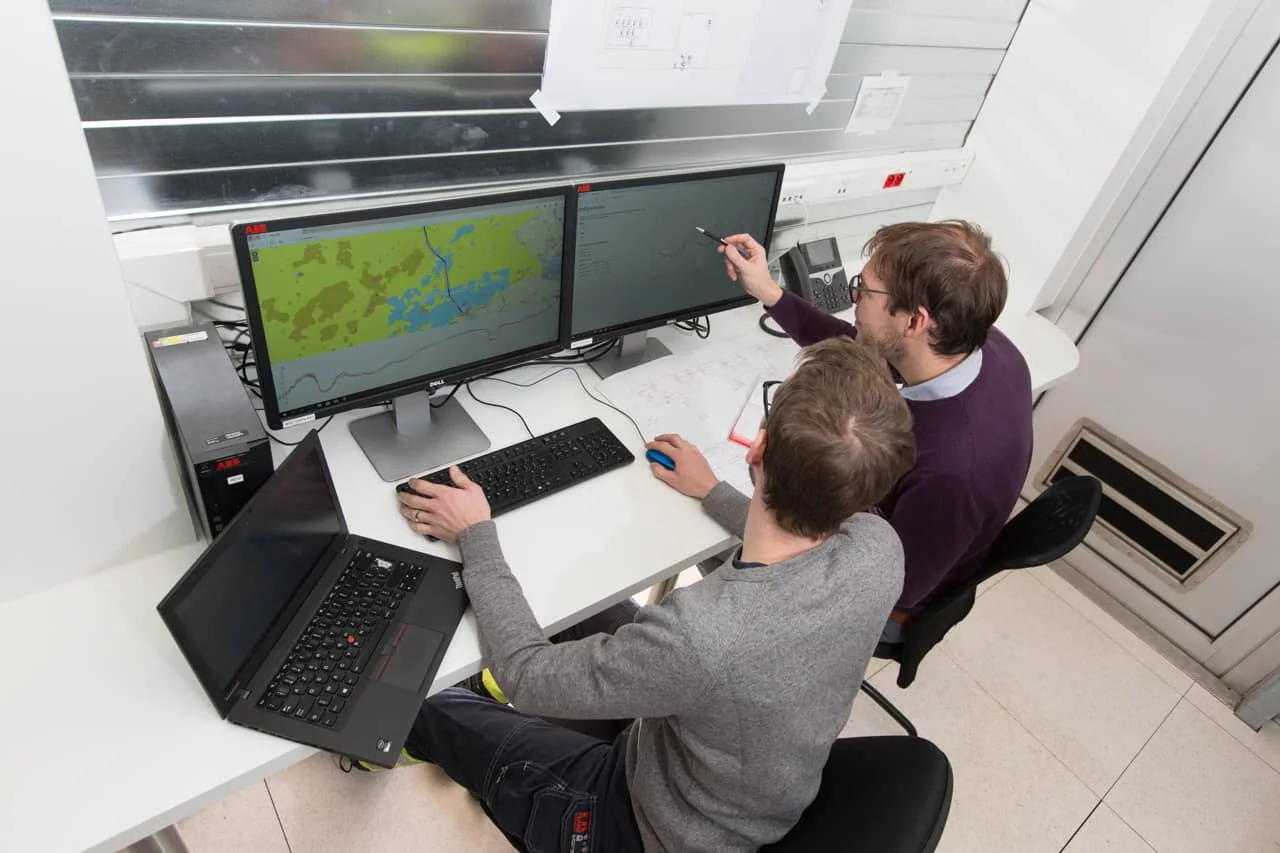
two persons analysing subsea cable data

6 Reasons Why Subsea Cable Monitoring is Essential for Offshore Wind Farms

Subsea cable monitoring is not just a technological advancement. It's a critical component for the operational success and sustainability of offshore wind farms.
Read More
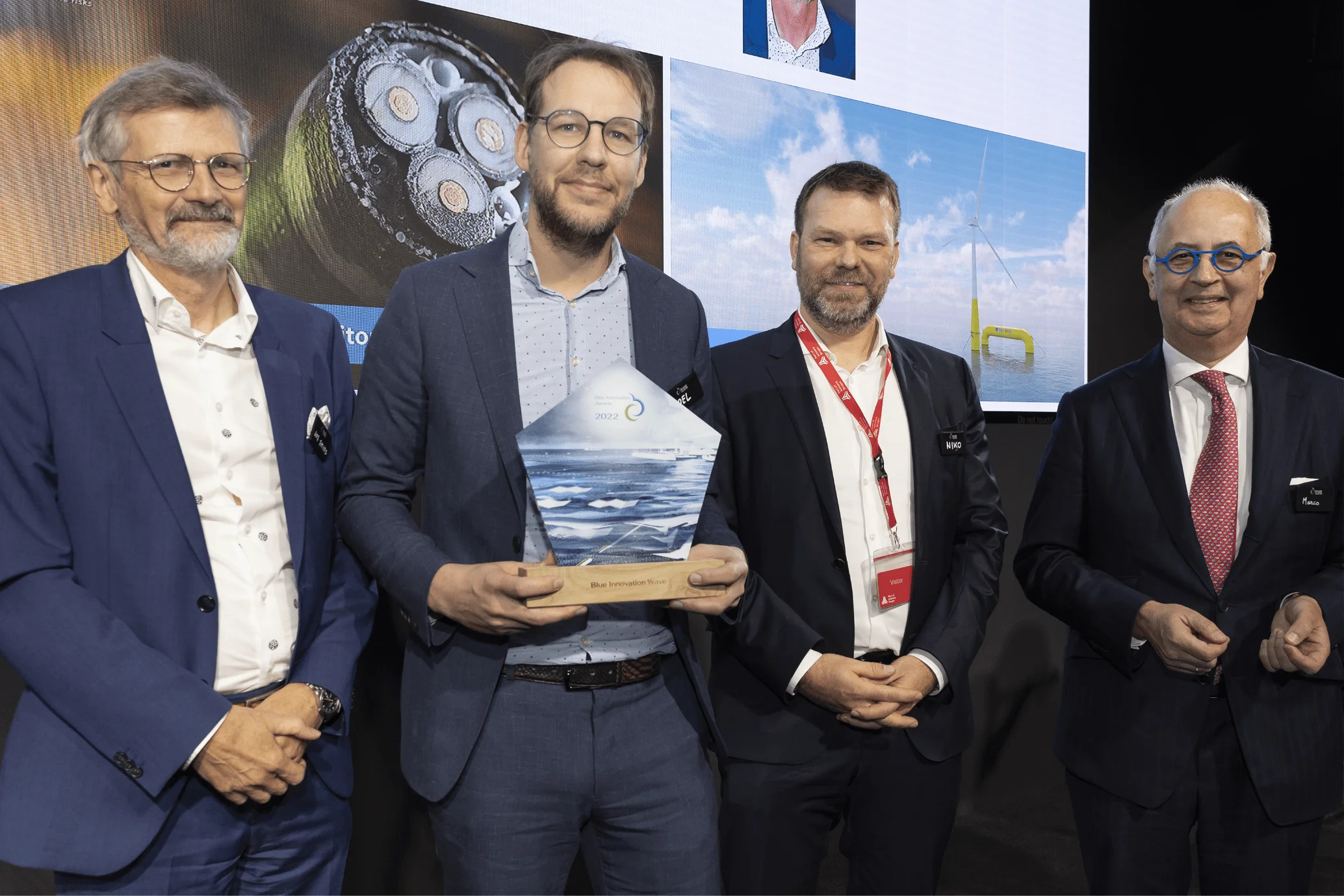
roel vanthillo with blue innovation award for cps monitoring

Marlinks Wins Blue Innovation Award for CPS Monitoring

We are extremely proud that Marlinks won the Blue Innovation Wave award for Cable Protecion System (CPS) monitoring. The aim with this innovation is to ...
Read More

Typhoon season in East Asia: Protecting subsea cables with real-time monitoring.

Each year, between summer and early autumn, East Asia faces an intense typhoon season. Known as hurricanes or cyclones in other parts of the world, ...
Read More
subsea or submarine power cables

Why Submarine Cable Monitoring Matters to Insurers

As the need for renewable energy sources increases, so do damage claims of offshore wind farms. Facing the brunt such claims, insurance companies are turning ...
Read More
Scroll to Top