The risks of not keeping an eye on subsea power cables
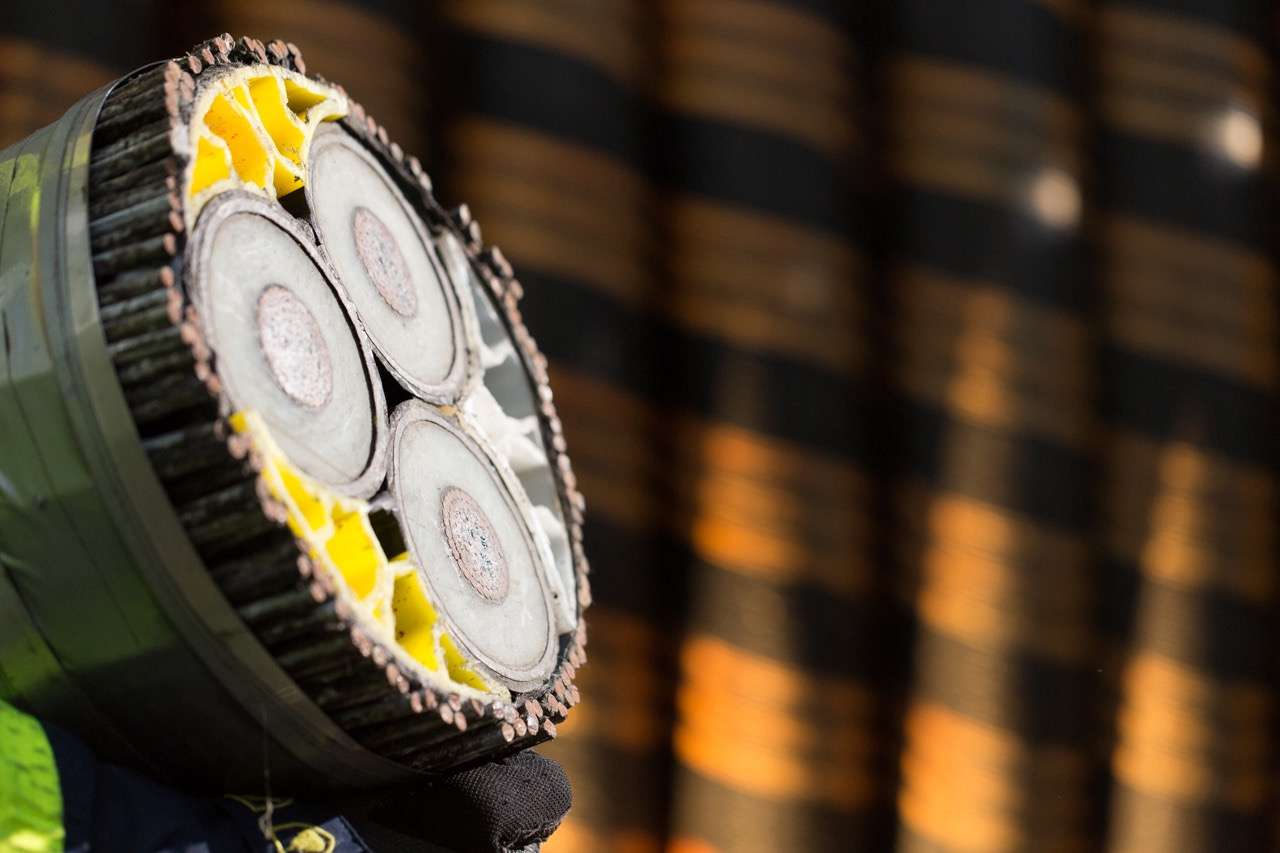
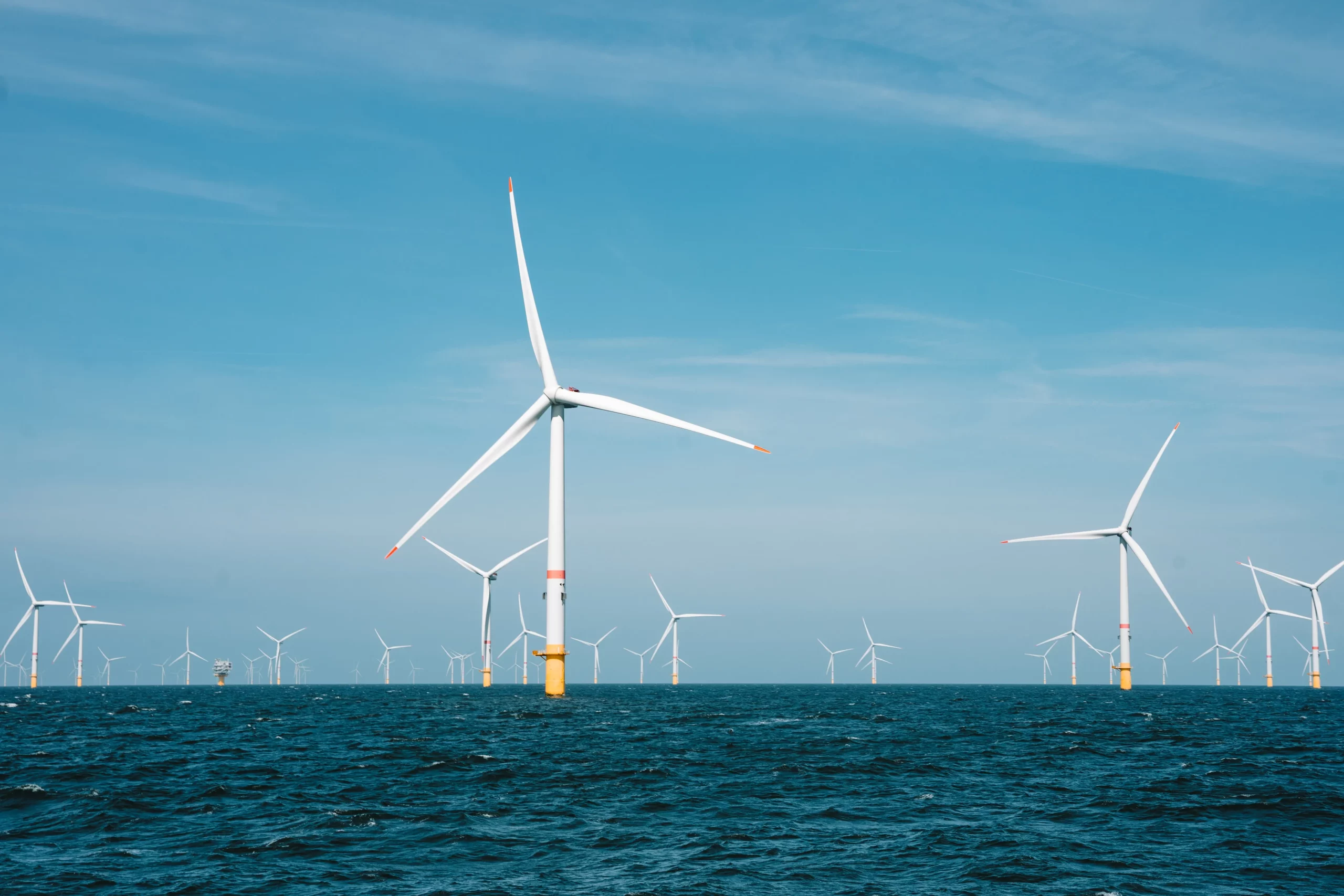
The offshore energy industry is heavily reliant on subsea power cables. These critical links transport electricity from offshore wind farms to the mainland, helping drive the transition to a more sustainable energy system. Without continuous monitoring, operators risk not only unexpected failures but also significant financial, operational, and environmental consequences.Â
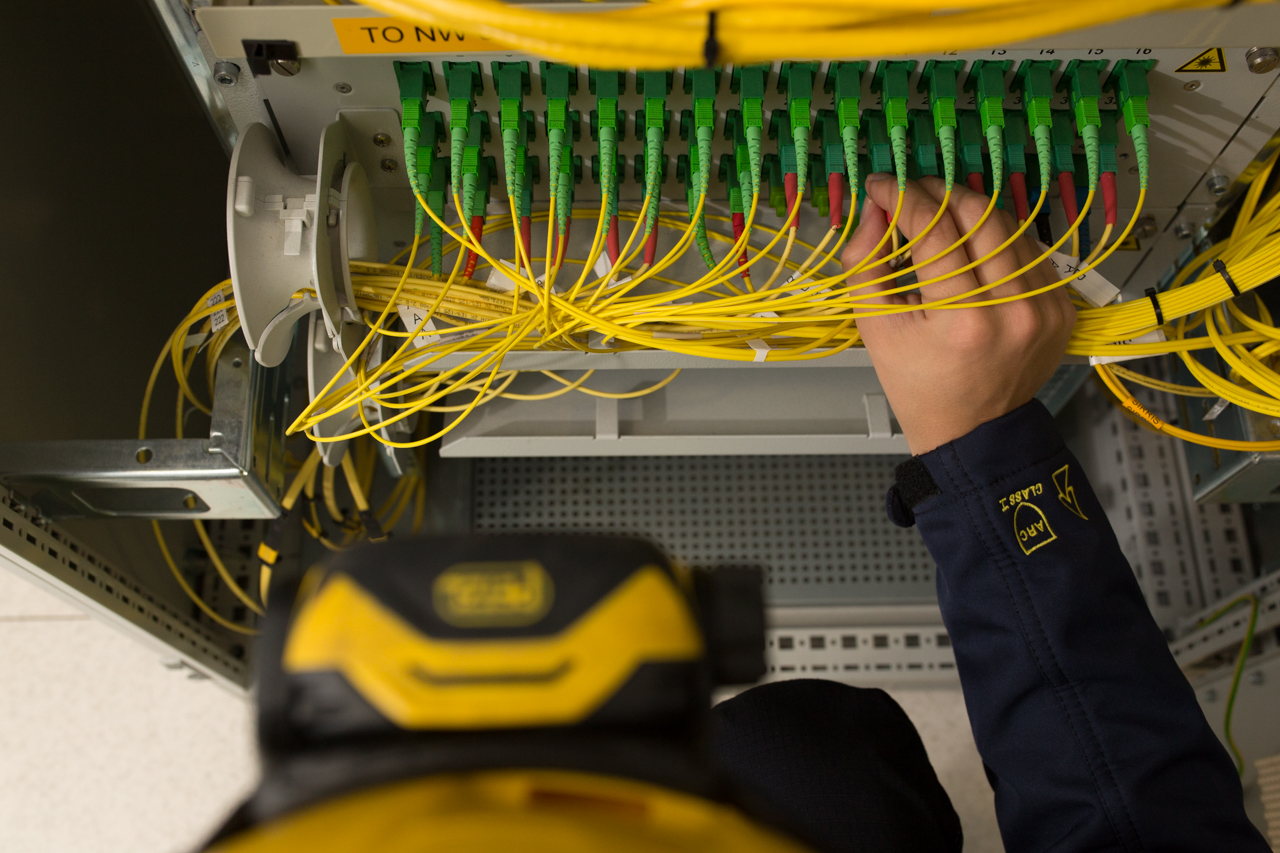
At Marlinks, we specialize in real-time cable monitoring using Distributed Temperature Sensing (DTS) and Distributed Acoustic Sensing (DAS) — two technologies that bring full visibility to what’s happening along your subsea assets. Here’s why keeping a close eye on your cables matters.Â
1. Unexpected failures and downtime
Subsea cables operate in challenging environments. Over time, they are exposed to external risks such as anchor strikes, trawling, seabed movements, etc. Without real-time DTS or DAS monitoring, these threats can go unnoticed until it’s too late.Â
A sudden cable failure doesn’t just result in technical issues, it leads to production losses, delayed projects, and reputational damage. In the offshore wind industry, where reliability is everything, unexpected downtime is a risk no operator can afford to take.Â
2. Increased repair costs due to late detection
Subsea cable repairs are complex and expensive. Mobilizing specialist vessels and equipment can take weeks, and in the meantime delays in detecting problems often mean the damage has already escalated. The result? Increased repair costs missed production targets, and potential financial penalties.
Continuous monitoring turns this reactive approach into a proactive one. By identifying anomalies early, operators can act before minor issues turn into major failures, saving both time and money.
3. Increased safety and environmental risks
While modern subsea cables (like XLPE designs) are more robust, failures can still pose indirect safety risks to maintenance crews during intervention, especially under time pressure or in poor weather.
In addition, repair operations — particularly the digging out of the seabed and pulling up cables — can disturb sensitive marine ecosystems, especially in designated conservation zones or near coastal habitats.
By enabling earlier, more targeted interventions, DAS and DTS-monitoring helps reduce the need for large-scale emergency operations and their potential environmental impact.
4. Slowing down the energy transition
Offshore wind is a cornerstone of the global energy transition. As more offshore wind farms come online, the reliability of subsea infrastructure becomes mission critical. Without effective monitoring strategies, operators may face setbacks in delivering consistent renewable energy to the grid.
Protecting subsea cables through continuous monitoring is not just an operational necessity, it’s a strategic step toward a stable, low-carbon energy future.
Conclusion
The risks of not keeping an eye on subsea cables are clear: unexpected failures, huge costs, safety concerns, and delays in the energy transition. By implementing advanced, continuous monitoring solutions, offshore operators can safeguard critical infrastructure, reduce downtime, and contribute to the long-term success of renewable energy.
With real-time DAS and DTS monitoring, Marlinks gives offshore operators full visibility into their subsea infrastructure. Our solutions transform raw data into actionable insights, allowing you to act before problems escalate.