


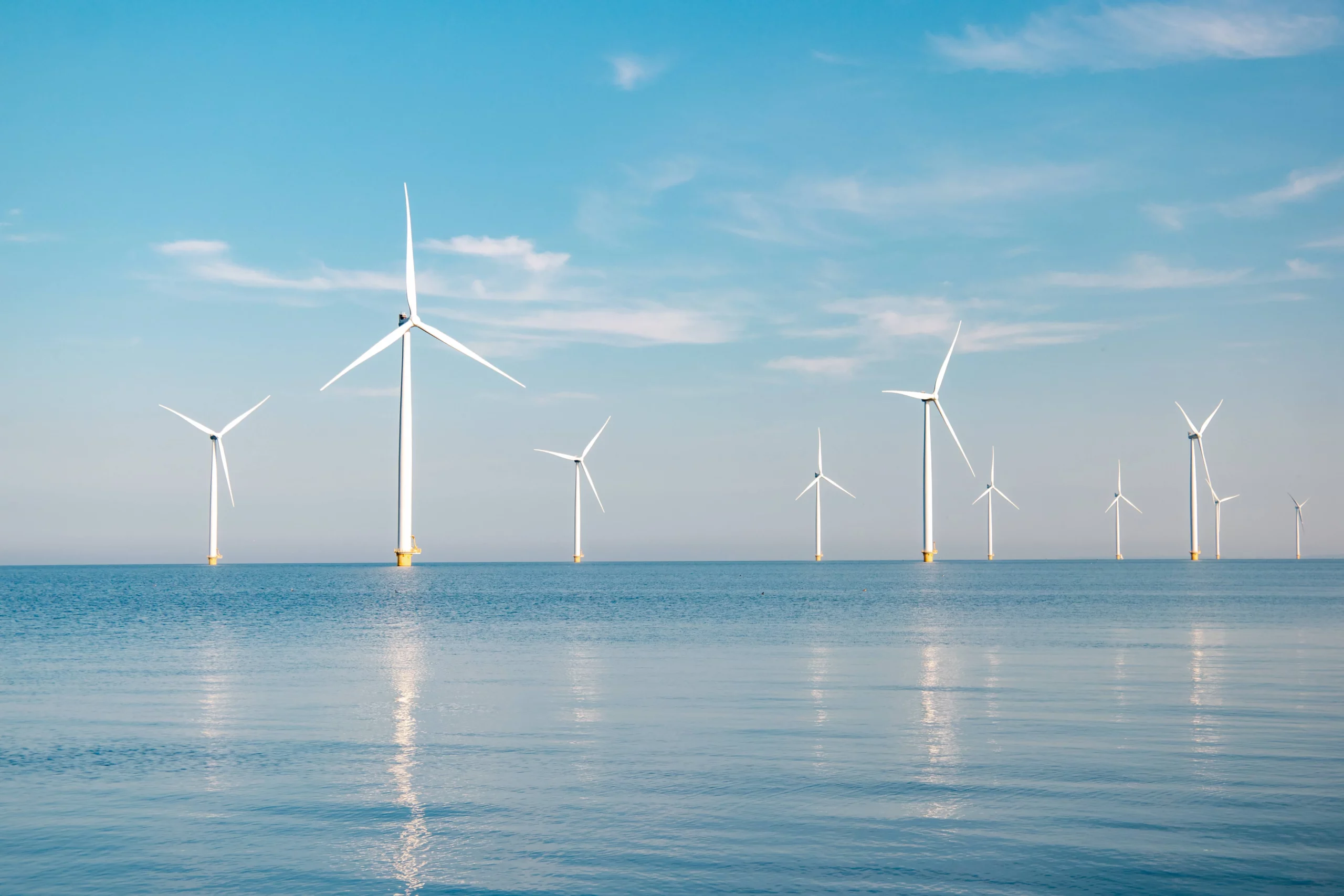
Marlinks Monitors Hai Long Undersea Power Cables
Marlinks, the global leader in subsea cable integrity monitoring services, has secured its first major contract in Taiwan. The project involves the cable health monitoring ...
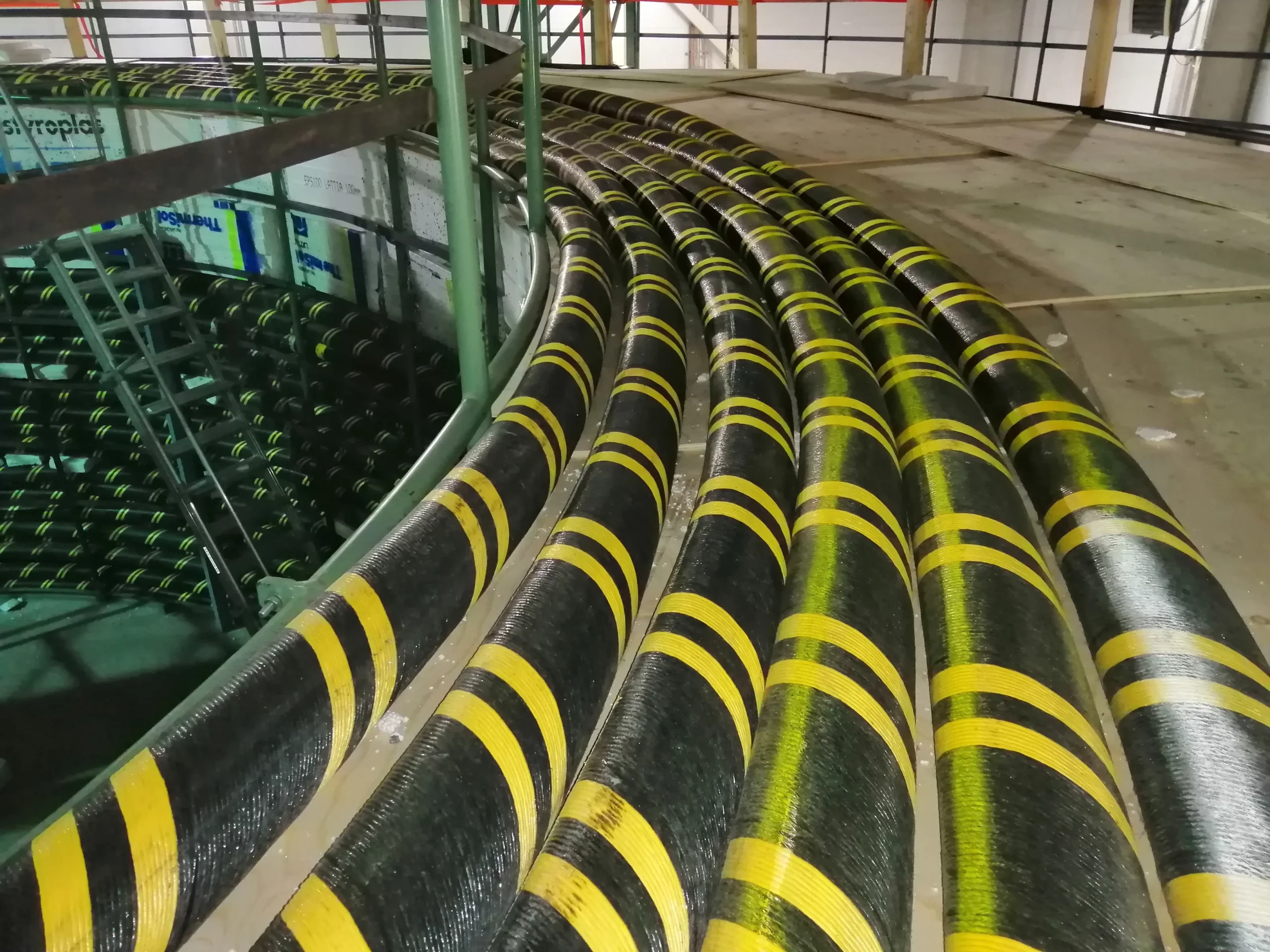
Why Submarine Cable Monitoring Matters to Insurers
As the need for renewable energy sources increases, so do damage claims of offshore wind farms. Facing the brunt such claims, insurance companies are turning ...
6 Reasons Why Subsea Cable Monitoring is Essential for Offshore Wind Farms
Subsea cable monitoring is not just a technological advancement. It's a critical component for the operational success and sustainability of offshore wind farms.

The risks of not keeping an eye on subsea power cables
The offshore energy industry is heavily reliant on subsea power cables. These critical links transport electricity from offshore wind farms to the mainland, helping drive ...
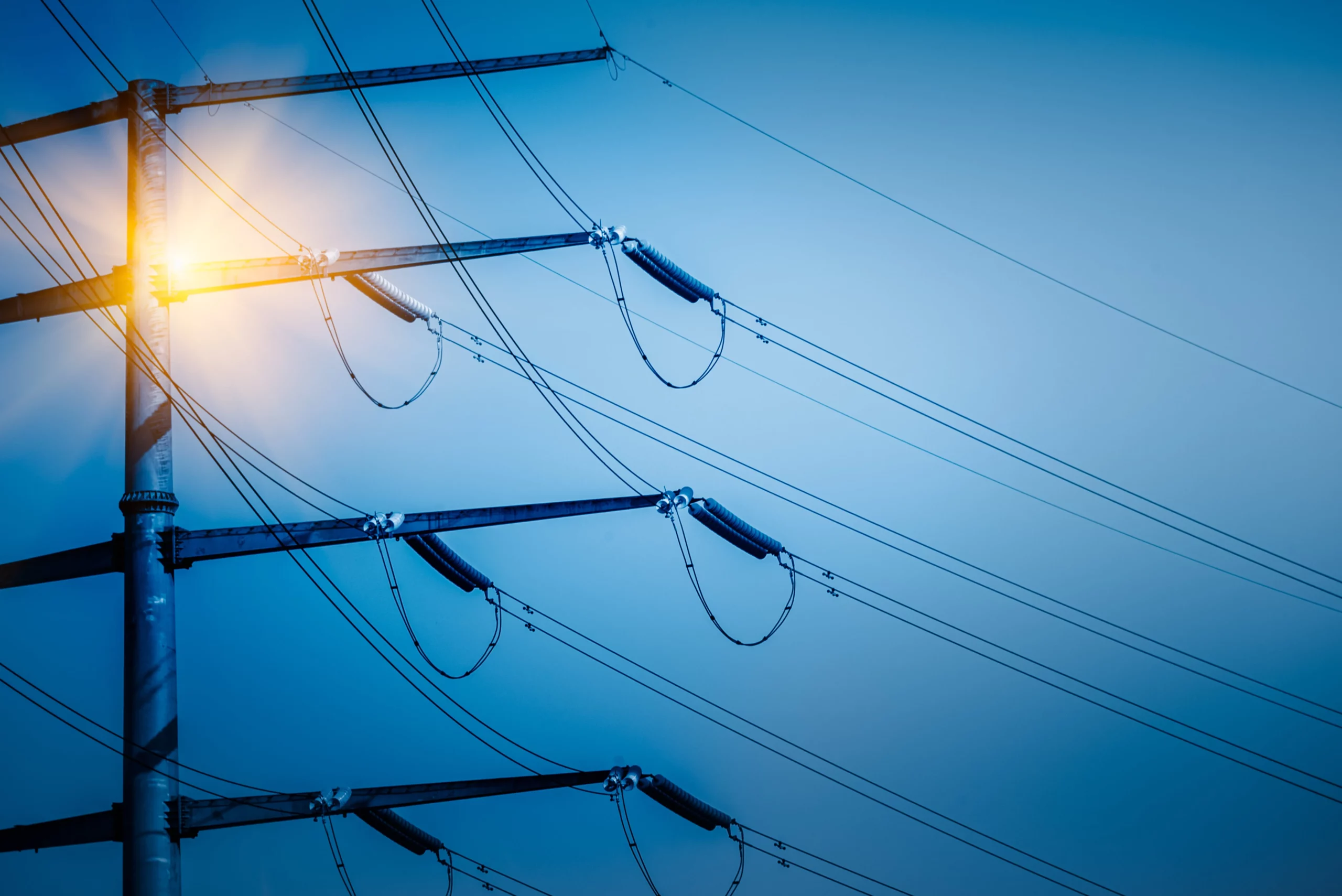
Ampacimon and Marlinks Sign MoU to Enhance Cable Monitoring Services
Ampacimon and Marlinks, have signed an MoU to combine the complementary strengths in monitoring of cables, power lines and substations with their respective sensing technologies ...