
Why submarine cable monitoring matters to insurers.

subsea or submarine power cables

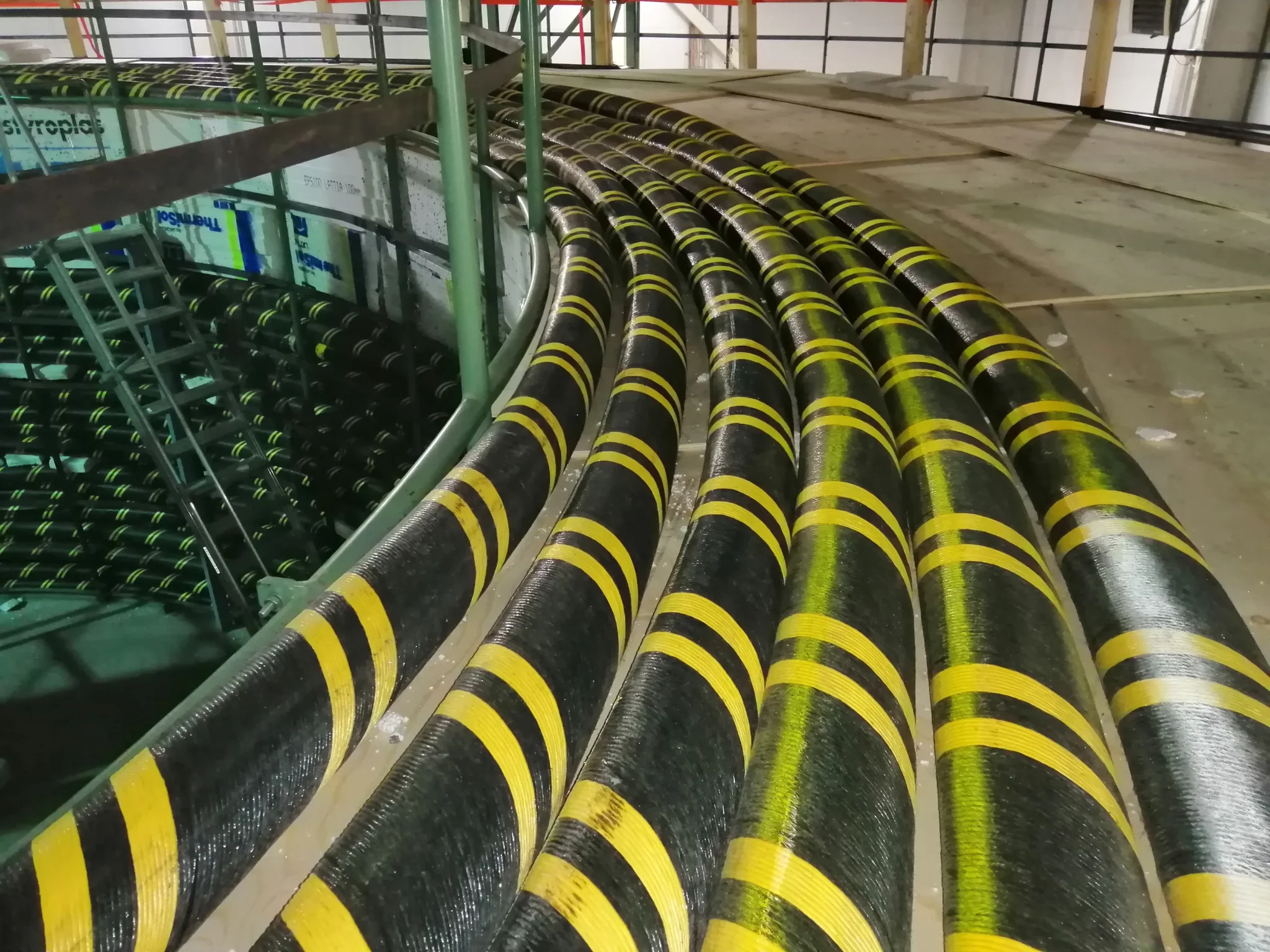
As the need for renewable energy sources increases, so do damage claims of offshore wind farms. Facing the brunt such claims, insurance companies are turning to submarine cable monitoring. Over 80% of insurance claims were due to cable damage.

As the need for renewable energy sources increases, so do damage claims of offshore wind farms. Facing the brunt such claims, insurance companies are turning to submarine cable monitoring.

Many factors expose offshore power cables to damage and outages. The seabed is a dynamic environment and the ocean is home to numerous unexpected events such as anchoring, fishing, cable overheating, boat traffic etc. 

In [2020] alone, over 80% of insurance claims were due to cable damage. As wind farms are constructed in ever deeper waters around the globe, this number is expected to rise. 

That is why insurers are increasingly interested in continuous submarine cable monitoring. Continuous monitoring allows O&M teams to observe evolutions and intervene before disaster strikes. With appropriate procedures in place, wind farm owners can reassure insurers that cable failures are less likely to take place, or that repairs can at least be planned. In turn, such reassurance will allow insurers to potentially lower their premiums. 

The traditional approach for inspecting the health of a submarine cable.

Traditionally, these cables are inspected once a year by a survey vessel and often an unmanned vehicle. Surveys are expensive and only provide a single snapshot of the situation. If a cable gets exposed by a storm at sea, this will only be picked up at the next survey date, up to one year after the fact. 

By continuously measuring temperature inside the submarine cable using the embedded fiber optic cable as a proxy, it is possible calculate the cable’s depth of burial up to 26 times a year, without the risk, cost and planning involved in sending a survey crew. 

Learn more about Marlinks.

Are you an insurer or are you responsible for the health of submarine cables? Let’s have a chat at sales@marlinks.com and we will be happy to help you.

Highlighted news

offshore wind turbine

The risks of not keeping an eye on subsea power cables

The offshore energy industry is heavily reliant on subsea power cables. These critical links transport electricity from offshore wind farms to the mainland, helping drive ...
Read More
three people monitor subsea power cable on big reel with fiber optic technology

The Crucial Role of Marlinks’ Thermal Models for Subsea Power Cables

In the offshore wind energy sector, subsea power cables play a crucial role in efficiently transmitting electricity from offshore turbines to the shore. At Marlinks, ...
Read More
cable protection systems (cps)

Localize and Monitor Unstable Cable Protection Systems

Cable Protection Systems (CPS) play a vital role in offshore wind farms by safeguarding the network of subsea power cables that transport generated electricity to ...
Read More
subsea power cable

Different Subsea Cable Monitoring Tools: From Traditional Methods to Innovative Solutions

Effective subsea cable monitoring is crucial for ensuring the long-term performance of offshore wind farms. With evolving challenges in maintaining these critical transmission systems, operators ...
Read More
export subsea power cable

Fiber-to-cable Mapping in Offshore Cable Management

At Marlinks, we believe in speaking the language of our users, who rely on the insights derived from our monitoring application to make informed decisions. ...
Read More
Scroll to Top